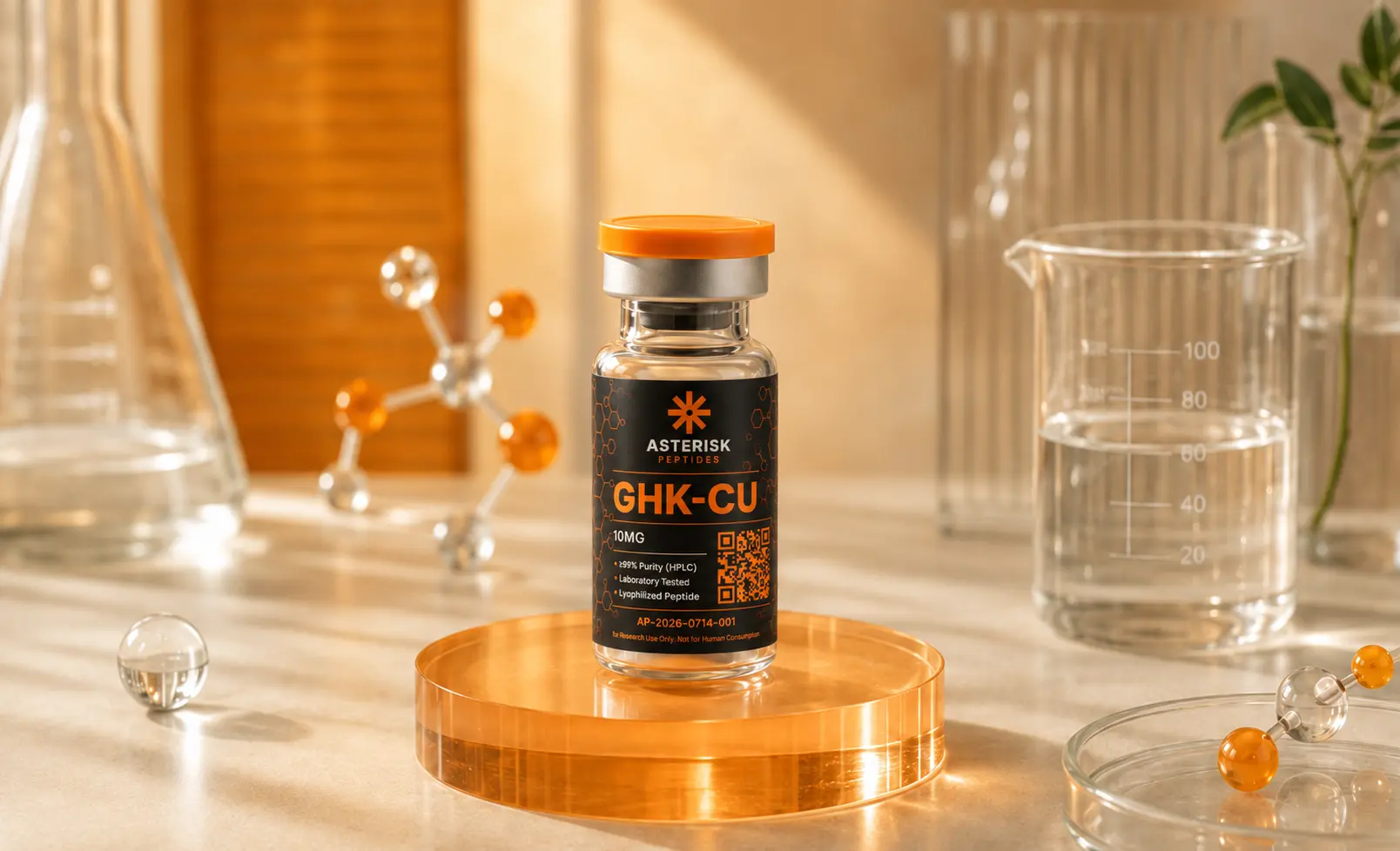
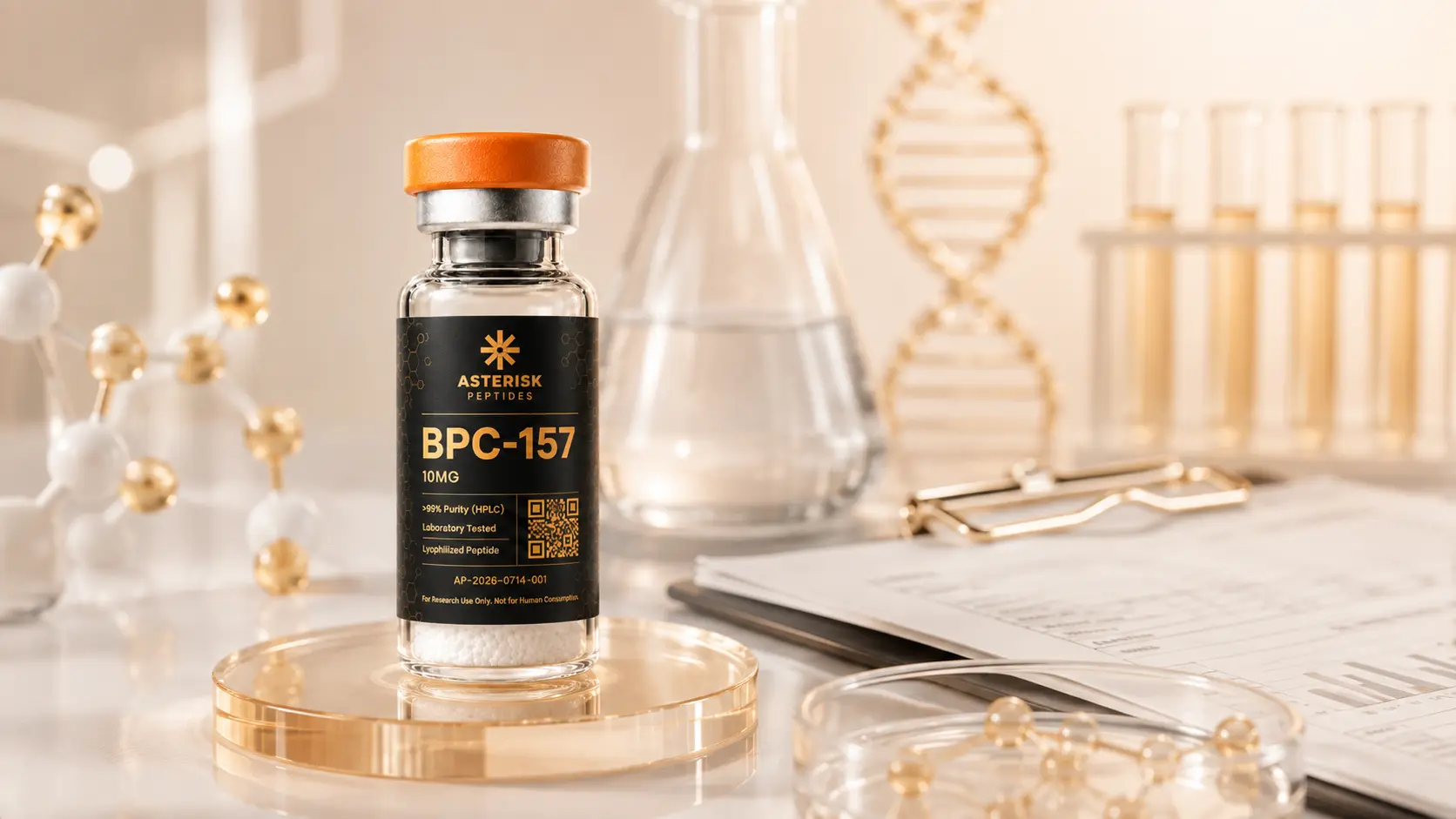
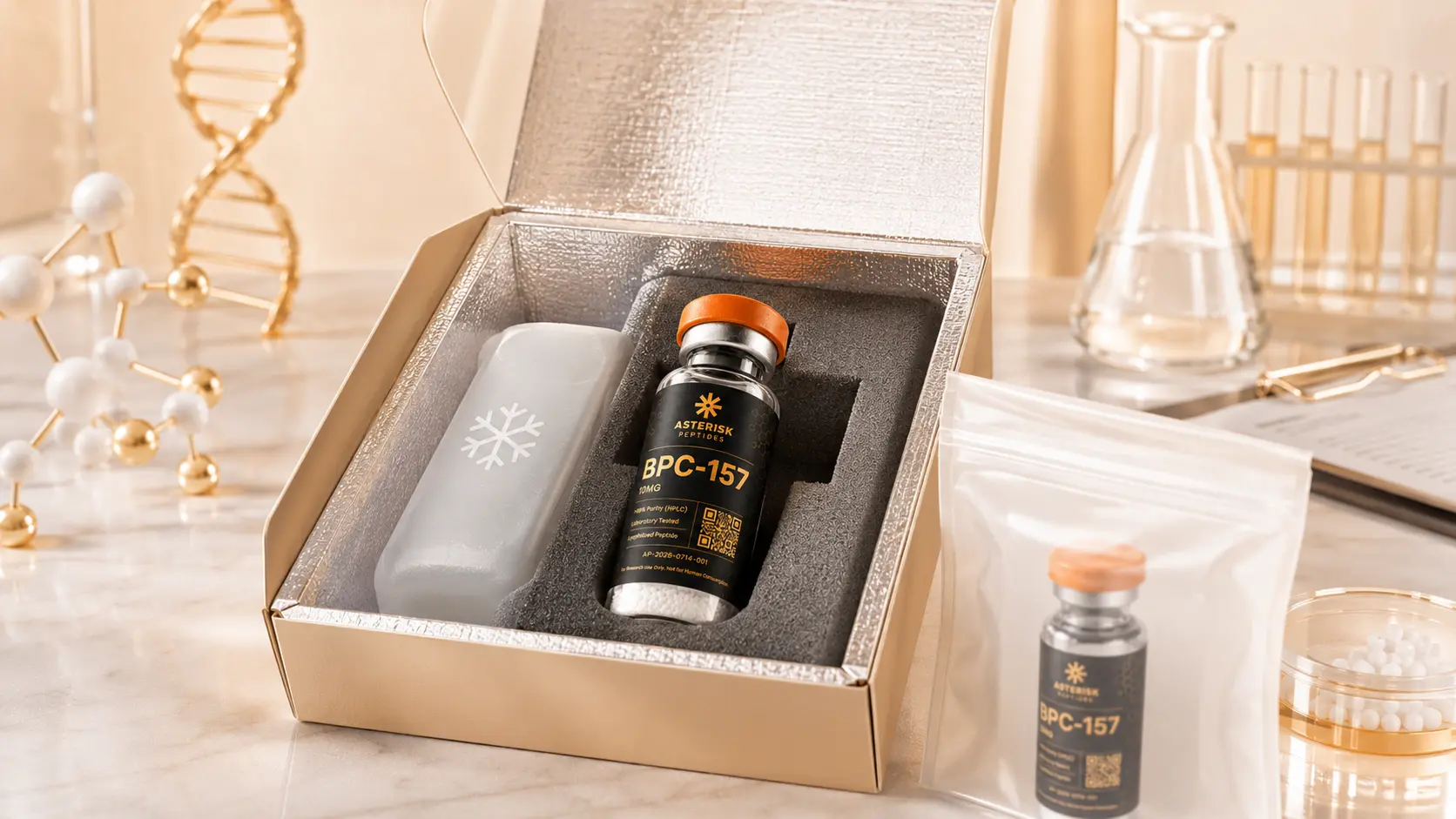
- Premium research peptides
- Quality-focused sourcing
- Priority U.S. shipping
Premium research peptides
Quality-focused sourcing
Priority U.S. shipping

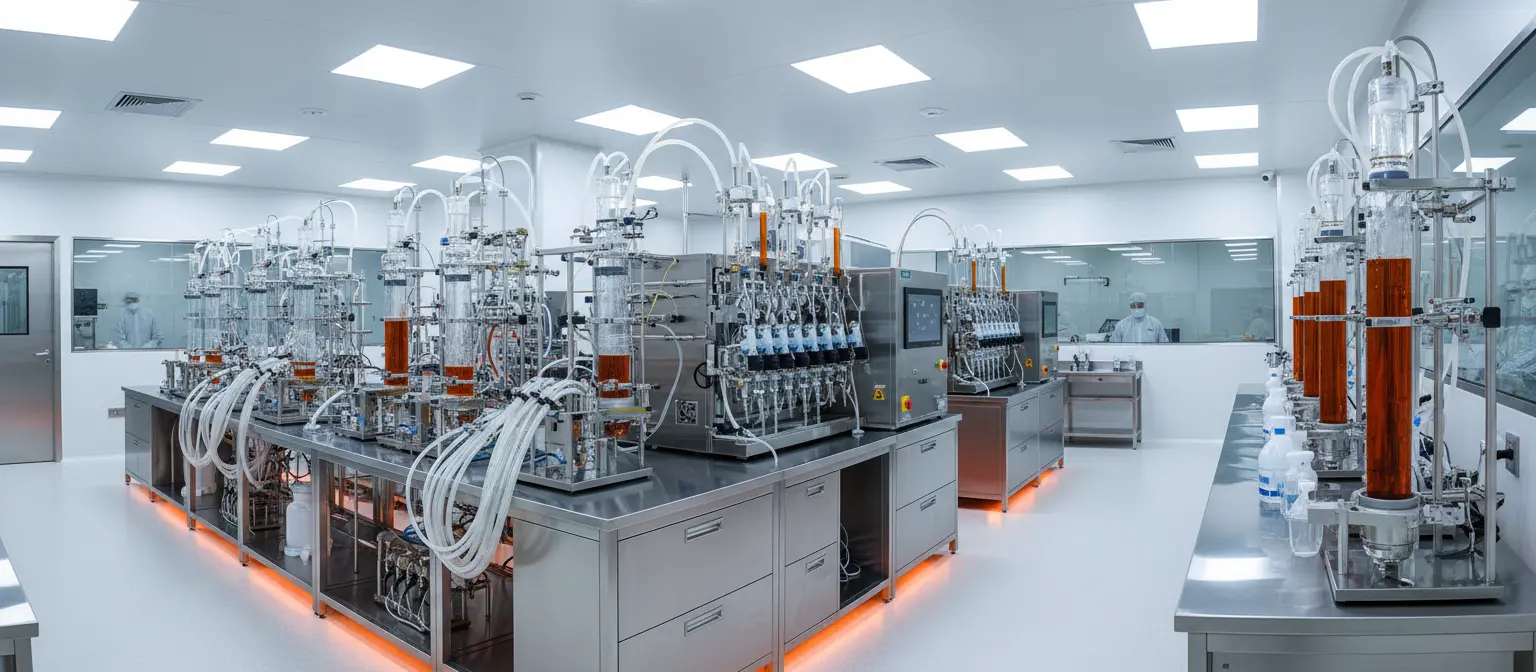
Asterisk Peptides was established to support in vitro peptide research with third-party-tested materials and transparent batch documentation. In a marketplace often obscured by ambiguous standards, our mission is straightforward: to provide researchers with complete confidence in every compound they run.
A common assumption is that generic chemical purity levels of 95% or 98% are sufficient for routine laboratory protocols. However, in analytical peptide models, the remaining percentage typically contains deleted sequences, truncated fragments, and organic solvents. These impurities compete for cell-surface binding domains, which introduces chaotic experimental noise and variable results.
“In institutional scientific models, synthetic reproducibility isn’t just about obtaining a target yield; it requires the absolute verification of structural parameters. Without documented chromatography peaks, your baseline is compromised.”
— THE JOURNAL OF HIGH-PURITY ANALYTICAL CHEMISTRY
To preserve rigorous scientific parameters under US-regulated synthesis conditions, every lot profile must successfully clear three distinct phases before entering the research pipeline: